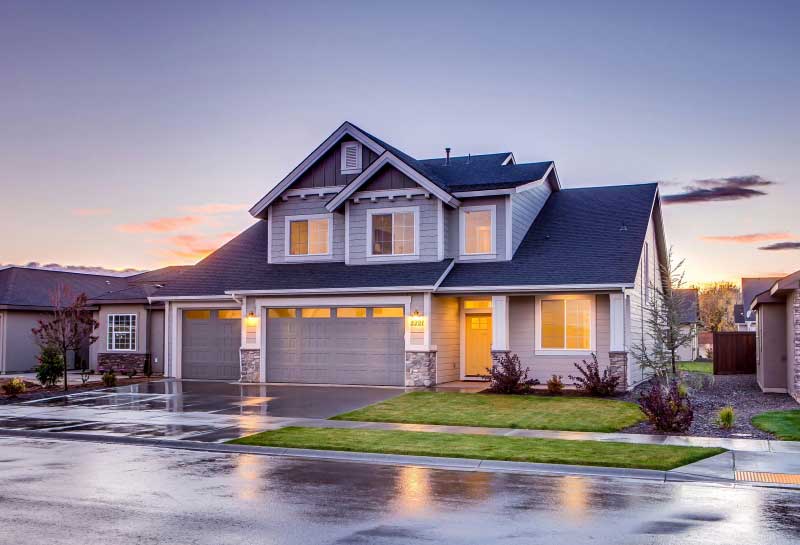

The Greek housing market has gone through a period of steady growth over the past five years. Since 2018, property purchase costs have followed a clear upward trend, with stronger increases recorded in major urban centers and popular tourist destinations. According to the Bank of Greece, 2025 closed with an average annual price increase of 11.1%, while newly built properties continue to outperform older homes in terms of price growth.
Despite regional variations, the overall picture remains consistent. Demand for residential property stays strong, while supply remains limited, especially in areas with high economic and investment interest.
Forecasts for House Prices in Greece in 2026
Outlooks for 2026 vary, but a common expectation is a slowdown in price growth rather than a reversal. In areas already considered overvalued, price increases are expected to soften. A market correction or decline is not anticipated. Instead, the prevailing scenario points toward stabilization or more moderate growth, particularly in large cities where prices have already reached elevated levels.
In Athens, prices are expected to rise by around 3%-5%, with demand focusing on neighborhoods close to public transport hubs or new infrastructure projects. Thessaloniki is likely to follow a similar path. In tourist regions such as the Cyclades, Crete, and the Dodecanese, price growth may exceed 6%, driven largely by sustained demand from foreign buyers.
Key Factors Influencing Property Prices
The direction of the market is shaped by several interrelated factors:
- The ongoing housing shortage, especially in affordable price segments
- Rising construction costs and higher prices for building materials
- Continued interest from international investors
- Limited development of new residential projects in recent years
- Government support programs and interventions, including social housing schemes and rent refund initiatives
In Athens specifically, restrictions on new Airbnb licenses in certain districts may contribute to stabilizing rental prices. However, these measures are not expected to significantly affect residential property sales.
Which Areas Are Considered Overvalued?
Certain neighborhoods, such as Koukaki, Kolonaki, the Acropolis area, and the northern suburbs of Athens including Kifisia and Psychiko, show clear signs of overvaluation. This trend is largely the result of strong investor inflows and the long-term impact of short-term rental activity.
In these locations, prices have moved beyond the purchasing power of most Greek buyers and are now supported mainly by foreign demand. As a result, many investors are starting to explore alternative districts for property opportunities, such as Kolonos, Rizoupoli, and parts of western Athens.
Where Opportunities Still Exist
On the other hand, areas like Nikaia, Agios Ioannis Rentis, Petroupoli, and Ymittos continue to offer below-average prices with room for future appreciation. Similar conditions can be found in districts surrounding Thessaloniki and in inland areas of Crete. These locations attract both first-time buyers and investors interested in renovating and repositioning older properties, creating value through upgrades and improved energy efficiency.
What Owners and Buyers Are Expecting
As price growth slows, negotiations are becoming more cautious. Property owners are watching closely to see whether the upward trend will continue, while buyers are actively searching for entry points that do not involve excessive risk.
Uncertainty around interest rates and changes in mortgage conditions plays a crucial role. At the same time, rising rental costs across many areas are pushing younger buyers toward homeownership, as renting becomes increasingly expensive.
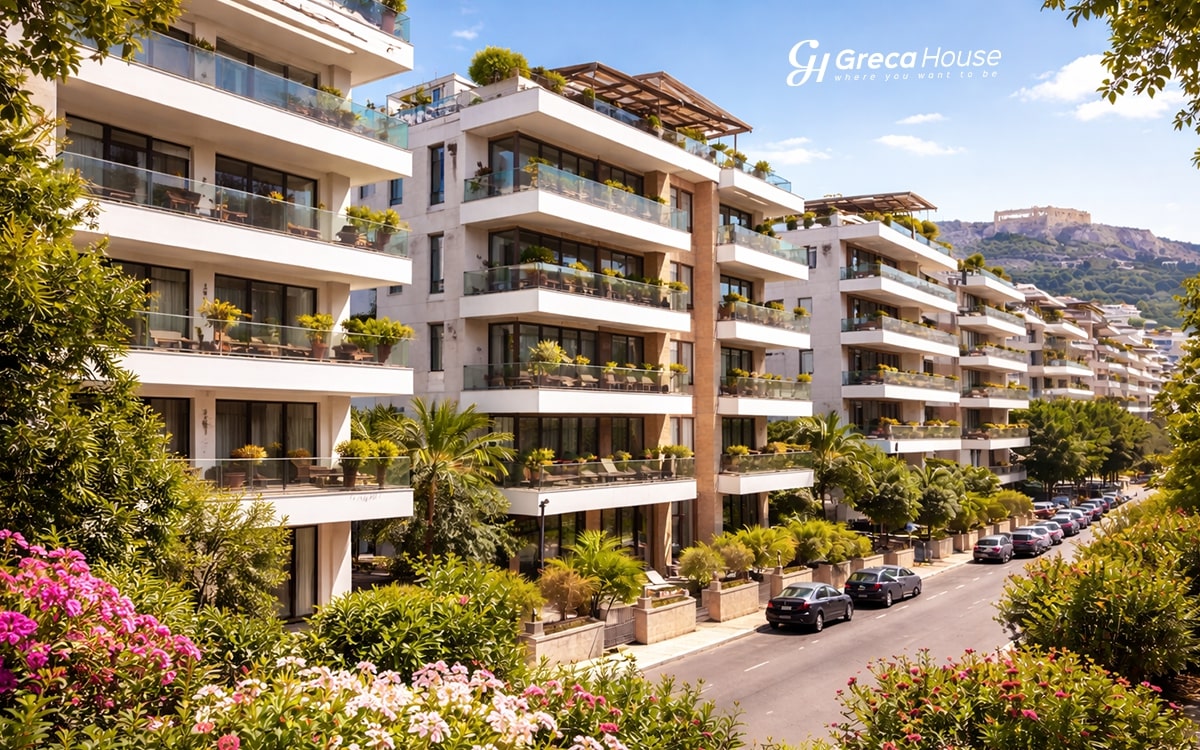
The Role of Government Housing Programs
In 2026, a new program for the renovation and energy upgrade of older properties is expected to launch, offering subsidies of up to 80%. Existing measures are also set to remain in place, including:
- Rent refunds of up to 800€
- Tax deductions for renovation expenses up to 16.000€
- Tax incentives for both tenants and property owners
- Restrictions on short-term rentals in saturated areas
These initiatives are expected to influence pricing dynamics, particularly for older apartments that qualify for renovation and energy efficiency upgrades.
What Prospective Buyers Should Consider
Anyone planning to buy a home in Greece in 2026 should carefully assess:
- Whether the area is overvalued or still in a growth phase
- The energy performance and efficiency of the property
- Renovation costs and available subsidy options
- Rental or resale potential
- The overall tax burden associated with the purchase
In any case, working with a reliable real estate agency such as Greca House is essential for making informed decisions. Contact our team to receive tailored guidance and practical support throughout every stage of your property purchase in Greece.